
Buying or Selling a Home in Colorado Springs? Rodents in the Attic Can Kill the Deal
Rodent evidence found during a home inspection is one of the most common — and most fixable — reasons Colorado Springs home sales stall. Attic droppings, chewed insulation, and nesting in the crawlspace send buyers imagining the worst, and their lenders and insurers tend to agree. The good news: unlike a cracked foundation or a failing roof, a rodent problem can usually be fully remediated in days, with documentation that satisfies everyone at the closing table.
Whether you are selling, buying, or the agent caught in the middle, here is how it actually plays out — and how to fix it before it costs you the deal.
Why Rodents Always Surface During the Inspection
Home inspectors spend real time in the two places rodents love most: the attic and the crawlspace. Sellers who have lived in a home for years may genuinely not know anything is up there — mice are quiet, nocturnal, and their damage accumulates slowly. Then the inspector’s report lands with photos of droppings along the attic insulation, and suddenly a routine sale has a “pest issue.”
Colorado Springs is prime territory for this. Deer mice, house mice, and pack rats are all established here, and older neighborhoods — plus mountain-edge communities like Black Forest, Woodland Park, and Manitou Springs — sit right against the open space and pine habitat they move in from every fall.
What Inspectors and Buyers Actually Flag
- Droppings and urine staining in attic insulation or the crawlspace — the finding that starts everything.
- Compressed, tunneled, or contaminated insulation — buyers hear “full attic restoration” and start doing expensive math.
- Chewed wiring — the one finding that genuinely matters for safety and insurance. Gnawed wire insulation is a fire risk, and insurers know it.
- Visible entry points — gaps at the roofline, unsealed utility penetrations, damaged vent screens.
- Pack rat middens — the stick-and-debris nests pack rats build in crawlspaces, sheds, and engine compartments.
None of these mean the home is unsellable. All of them mean the buyer will ask for remediation or a credit — and the seller who has already fixed it, with paperwork, negotiates from strength.
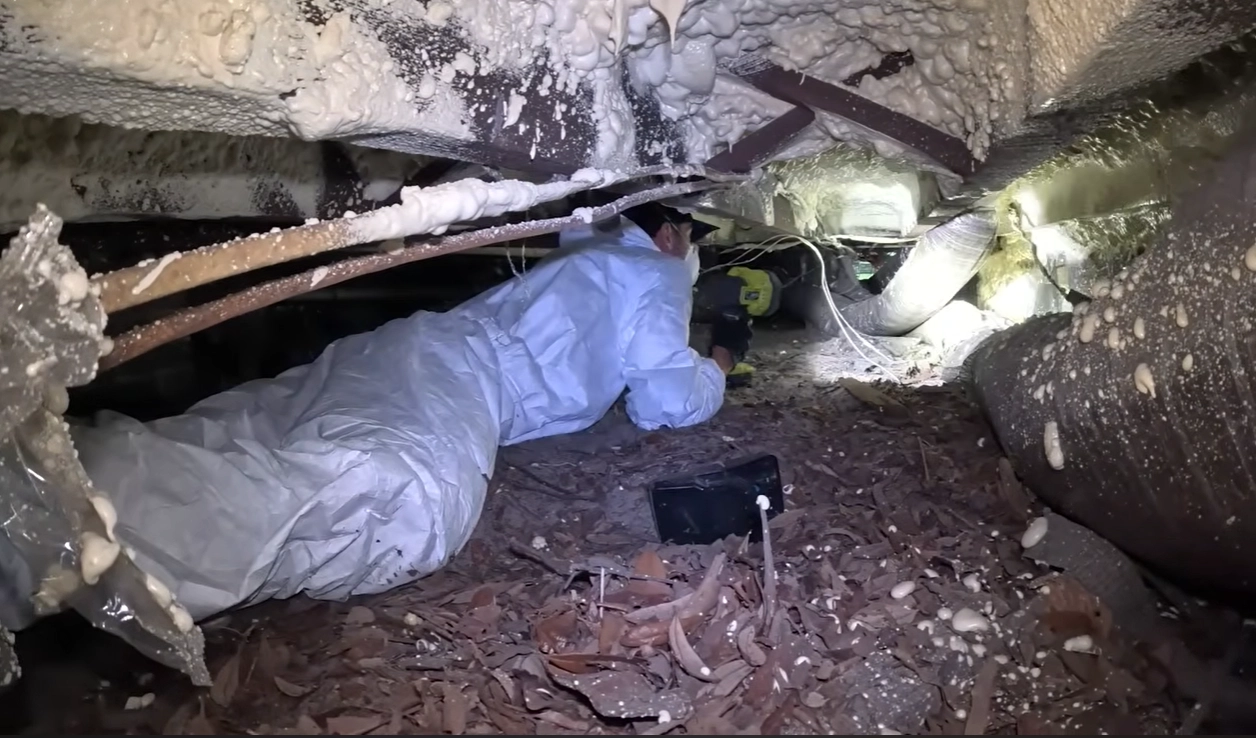
For Sellers: Fix It Before You List, Not After the Report
The cheapest version of this problem is the one handled before the inspector arrives. The correct order of operations matters:
- Remove the rodents first. Sealing animals inside an attic creates a worse problem than the one you started with. Start with mice removal or the relevant removal service for your situation.
- Seal every entry point. Professional rodent exclusion closes the gaps at the roofline, foundation, and utility lines with materials rodents cannot chew through — this is what makes “fixed” mean fixed.
- Clean up the evidence safely. Rodent droppings cleanup removes contaminated material. In Colorado this step is not cosmetic: deer mouse droppings can carry hantavirus, and they should never be dry-swept. Our hantavirus guide explains why.
- Keep the documentation. Invoice, scope of work, and photos. Handing a buyer a completed remediation file turns a red flag into a selling point.
One caution: Colorado’s seller disclosure asks about known property conditions. A rodent issue you know about and quietly paint over is a legal problem waiting for a courtroom. A rodent issue you remediated and can document is a non-issue. Fix it, paper it, disclose it as resolved.
For Buyers: Found Evidence After Your Offer?
Do not panic, and do not waive it away either. Your realistic options:
- Ask for professional remediation before closing — removal, exclusion, and cleanup, completed and invoiced.
- Negotiate a credit and handle it yourself after closing — reasonable if you want to choose the company and oversee the work.
- Get the attic assessed during your inspection window. Droppings from a single past visitor and an active colony look similar in a report summary and are wildly different problems. Knowing which one you are buying changes the negotiation.
What you should not do is move your family in first and clean it later. If deer mice have been living in the attic, the cleanup is a health task, not a housekeeping task.
How Fast Can It Be Fixed Before Closing?
Most residential rodent remediation — removal, exclusion, and cleanup — is measured in days, not weeks, and can almost always be fitted inside a standard closing timeline if it starts the week the inspection report lands. Ongoing protection is simple to hand over too: our prevention plans transfer the “it won’t come back” confidence to the new owner, and one-time service pricing starts at $299 — see the full pricing page for the current breakdown.
What kills deals is not the rodents. It is the two weeks of silence while everyone imagines the worst. A remediation plan with dates on it ends the speculation.
Rodent Findings Threatening Your Closing Date?
Call Rodent Control Colorado Springs. We handle removal, exclusion, and cleanup with the documentation your buyer, lender, or inspector needs. Open 24/7.
Frequently Asked Questions
Can a home sale fall through because of mice in the attic?
It can stall or be renegotiated, especially if the buyer’s lender or insurer flags chewed wiring or heavy contamination. Outright collapse is uncommon when the seller remediates promptly and documents the work.
Who pays for rodent remediation — buyer or seller?
It is negotiable, like any inspection finding. Sellers often cover it to protect their price; buyers sometimes prefer a credit so they control the work. Either way, the cost is small next to the price reductions an unresolved pest finding invites.
Does the seller have to disclose a rodent problem in Colorado?
Colorado’s seller’s property disclosure covers known conditions. A known active infestation should be disclosed; a professionally remediated and documented one can be disclosed as resolved, which is a far better position.
Is attic cleanup really necessary, or can we just trap the mice?
Trapping without exclusion leaves the entry points open, and without cleanup the droppings and contaminated insulation remain — along with the hantavirus concern where deer mice are involved. Inspectors flag the evidence, not just the animals, so cleanup is what clears the report.
Selling, buying, or mid-inspection with a rodent finding in Colorado Springs? Call (719) 715-4200 — we will size it up honestly and move at the speed your closing date needs.